- Email ID
admin@medpl.in
- Phone Number
+917384545999 / 0343-2545040
Oil Condition monitoring
Oil Condition monitoring
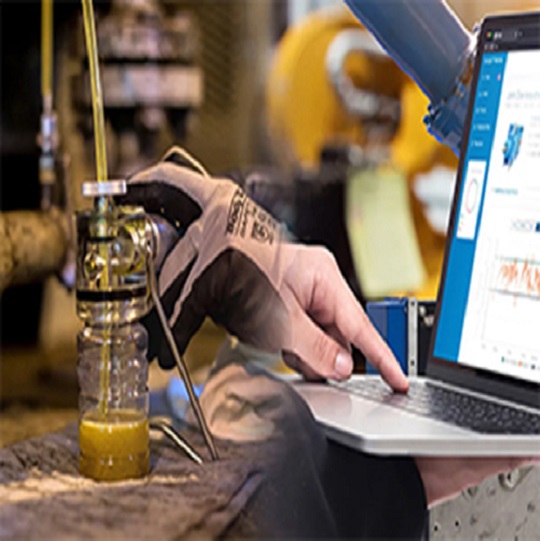
Oil condition monitoring is the practice of tracking and analyzing lubricating oil to assess its condition - and, in turn, the health of the machinery it's protecting. It's one of the more active areas of modern maintenance, and for good reason: it delivers real results in equipment reliability, performance, and cost savings. By regularly evaluating oil conditions, industries can keep their machinery running at its best, avoid unexpected failures, and extend equipment life. Setting up an OCM program can be part of a preventive maintenance strategy, or a proactive step toward operational excellence and long-term sustainability - an approach our customers around the world have come to value.
For this reason, oil conditioning monitoring occupies a very important place in analyzing the quality of lubricants:
Preventive Maintenance: OCM helps identify early signs of oil degradation, contamination, and wear particles. Catching these issues early allows maintenance teams to address them before they lead to major equipment breakdowns or costly downtime.
Extended Equipment Life: Regular oil checks and proper lubrication levels help minimize friction and wear on moving parts. This extends the life of both the machinery and its components, meaning less money spent on replacements and repairs.
Cost Efficiency: OCM also cuts down on unnecessary oil changes and the costs that come with them by recommending changes based on the actual condition of the oil. This has the added benefit of reducing environmental impact, since less used oil needs to be disposed of.
Enhanced Performance: Well-lubricated equipment runs with less resistance, allowing machines to operate more smoothly and efficiently. OCM helps oil retain its key properties, keeping machinery running the way it should.